

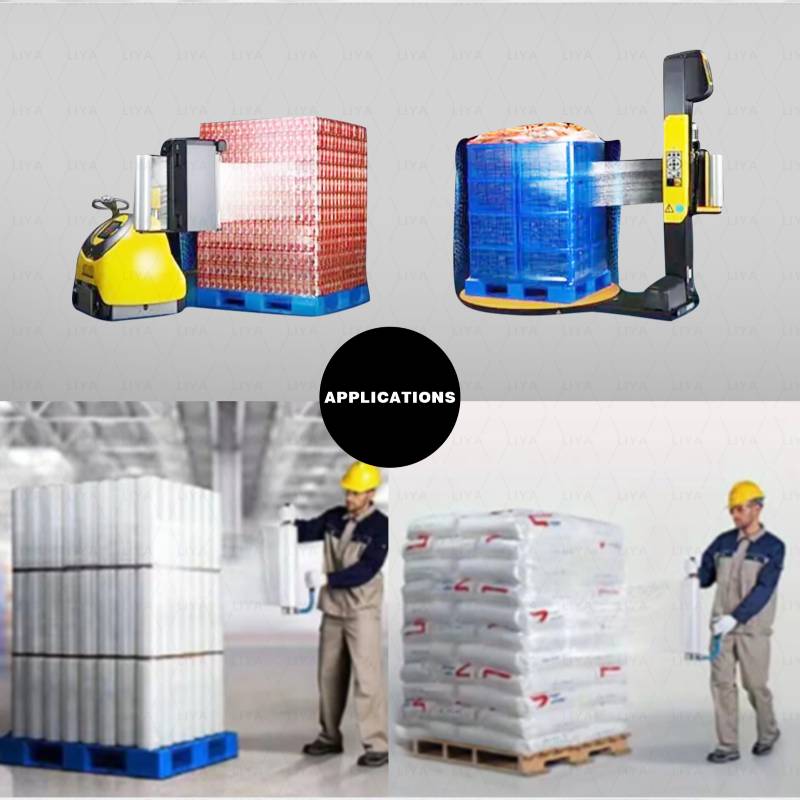

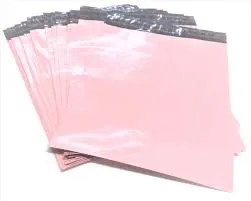
Applications
-
 Application in the field ofWarehouse and logistics
 -
 Application in the field ofFood Packing
 -
 Application in the field ofBiodegradable
 -
 Application in the field ofbuilding materials integated packing
 -
 Application in the field ofpaper industry
 -
 Application in the field ofHotel Industry
 -
 Application in the field ofauto parts packing
 -
 Application in the field ofApplications
raw material for biodegradable plastic bags
Strategic Enhancements Through Advanced Window Film Solutions In the contemporary landscape of building management and architectural design, the application of sophisticated film technologies represents a critical strategy for optimizing performance. The integration of high-performance home window tinting solutions, exemplified by products like our Protective Film/Transparent Adhesive Blue Window Glass Mirror Protection Film, offers a multifaceted approach to enhancing energy efficiency, occupant comfort, and security. This comprehensive overview is tailored for B2B decision-makers and technical professionals, elucidating the intrinsic value and operational benefits derived from modern window film technologies. Industry Trends in Advanced Window Film Deployment The market for high-performance home window tinting is experiencing robust growth, driven by escalating demands for energy efficiency, enhanced security, and superior occupant comfort. Key trends include: Energy Efficiency Mandates: Stringent building codes and a global emphasis on sustainability are propelling the adoption of films that significantly reduce HVAC loads by mitigating solar heat gain. Smart Building Integration: The convergence of window film technology with smart building management systems for dynamic control of light and temperature is emerging. Advanced Materials Science: Innovations in ceramic and spectrally selective coatings offer superior performance in UV and IR rejection without compromising visible light transmission. Security and Safety Films: Increasing demand for ballistic-resistant and anti-shatter films in commercial and high-value residential properties. Aesthetic Customization: Architectural films offering diverse finishes, patterns, and privacy levels are increasingly sought for branding and interior design. These trends underscore a strategic shift towards comprehensive glass film for windows solutions that contribute to long-term operational savings and improved property valuations. Manufacturing Process of High-Performance Window Films The production of advanced window films, designed for applications like home window tinting , involves a meticulous, multi-stage process to ensure superior optical clarity, durability, and performance. Our Protective Film/Transparent Adhesive Blue Window Glass Mirror Protection Film exemplifies this precision engineering. Schematic Process Flow: Raw Material Preparation: High-grade polyethylene terephthalate (PET) resin forms the primary substrate. This material is selected for its optical clarity, tensile strength, and dimensional stability. Extrusion & Stretching: PET resin is melted and extruded into thin, uniform films. This base film then undergoes biaxial stretching (orientation) to enhance its strength and optical properties, creating a multi-layered structure with superior mechanical integrity. Coating Application (Multi-Layer): Adhesive Layer: A high-performance, pressure-sensitive adhesive (PSA) is precisely applied to one side, ensuring long-term adhesion without bubbling or peeling. UV Inhibitor Layer: Specialized compounds are integrated or coated to absorb over 99% of harmful UV radiation, protecting interiors from fading and degradation. Dyeing/Metallization/Ceramic Coating: Depending on the film type (e.g., dyed for privacy, metallized for heat rejection, ceramic for broad-spectrum IR/UV block), specific layers are added. Metallization often involves vacuum sputtering of metals like aluminum, silver, or titanium. Ceramic films incorporate nano-ceramic particles. Scratch-Resistant Hard Coat: A durable, clear coating is applied to the outer surface to protect against scratches and abrasions during installation and everyday use. Curing & Drying: Each layer undergoes controlled curing and drying processes to ensure optimal adhesion and performance characteristics. Laminating & Slitting: Multiple layers, including protective release liners, are carefully laminated. The master rolls are then precision-slit into various widths to meet market specifications. Quality Control & Testing: Throughout the process, films undergo rigorous testing against international standards such as ISO 9050 (Glass in Building - Determination of Light Transmittance, Solar Direct Transmittance, Total Solar Energy Transmittance), ANSI/ASHRAE 74 (Method of Measuring Solar-Optical Properties of Materials), and NFRC 300/301 (for solar-optical properties). Parameters like optical clarity, adhesion strength (peel strength), tensile strength, elongation, UV rejection, IR rejection, and visible light transmission (VLT) are meticulously verified. This meticulous manufacturing ensures that films possess an exceptional service life, typically ranging from 10 to 15 years, depending on environmental exposure and maintenance protocols. Technical Specifications and Performance Advantages The performance of glass film for windows is quantifiable through specific technical parameters that directly translate into tangible benefits for buildings and occupants. Our Protective Film offers robust protection and performance. Key Performance Parameters of Advanced Window Films: Parameter Definition Typical Range for High-Performance Film Benefit Visible Light Transmittance (VLT) Percentage of visible light passing through the glass. 5% - 80% Optimizes natural light, reduces glare. Solar Heat Gain Coefficient (SHGC) Fraction of solar radiation admitted through a window, both directly transmitted and absorbed. Lower is better. 0.20 - 0.70 Significant reduction in solar heat gain, lowering HVAC costs. UV Rejection Percentage of ultraviolet light blocked. 99% - 99.9% Protects interiors from fading, reduces skin cancer risk. Infrared Rejection (IRR) Percentage of infrared energy blocked (heat). Up to 97% Directly contributes to heat reduction, enhancing comfort. Glare Reduction Reduction in harsh sunlight, improving visual comfort. Up to 90% Reduces eye strain, improves screen visibility. Tensile Strength Measure of film's resistance to breaking under tension. Typically > 150 MPa Enhances glass shatter resistance and security. Primary Advantages: Energy Savings: By rejecting significant solar heat, these films dramatically lower air conditioning costs and improve interior temperature stability. UV Protection: Nearly total UV rejection prevents fading of furnishings, flooring, and artwork, extending the lifespan of interior assets. It also offers health benefits by reducing UV exposure for occupants. Enhanced Privacy & Security: Films can offer daytime privacy (reflective films) and increase glass resistance to shattering, acting as a glass protection film against impact or vandalism. Glare Reduction: Improves visual comfort for occupants, particularly in environments with computer screens or direct sun exposure. Aesthetic Upgrade: Various tints and finishes can enhance the exterior appearance of a building, providing a uniform, modern facade. Application Scenarios and Target Industries The versatility of window films makes them indispensable across a broad spectrum of applications, enhancing functionality and sustainability in diverse environments. Key Application Environments: High-End Residential Properties: For optimizing energy performance, enhancing privacy, and protecting valuable interiors from UV degradation. Our film products align perfectly with the demands for premium home window tinting solutions. Commercial Office Buildings: To reduce HVAC costs, mitigate glare for employee comfort and productivity, and provide uniform exterior aesthetics. Hospitality Sector (Hotels & Resorts): Improving guest comfort, reducing energy consumption, and offering privacy glass film solutions for rooms and public areas. Retail Spaces: Protecting merchandise from UV fading while maintaining clear visibility, and enhancing security. Educational Institutions & Healthcare Facilities: Providing a safer, more comfortable learning/healing environment by controlling glare, heat, and offering enhanced safety from glass breakage. In these scenarios, the films demonstrate critical advantages such as significant energy saving through reduced solar heat gain, corrosion resistance of interior assets due to UV blocking, and enhanced structural integrity of glass surfaces against impacts. Vendor Comparison: Selecting the Right Window Tint Manufacturers Choosing the right partner for glass protection film is paramount. The decision should be based on a holistic assessment of product quality, technical support, certifications, and customization capabilities. Key Factors for Vendor Evaluation: Feature/Criterion Description Importance for B2B Product Portfolio & Types of Window Tint for Homes Diversity of films (e.g., dyed, metallized, ceramic, safety, decorative, privacy glass film). Ensures solutions for various needs (energy, security, aesthetics, privacy). Technical Specifications & Performance Data Verifiable data (VLT, SHGC, UV/IR rejection, U-factor, glare reduction). Critical for projecting energy savings and comfort improvements. Certifications & Standards ISO 9001, NFRC ratings, CE marking, SGCC (Safety Glazing Certification Council) compliance. Guarantees quality, performance, and adherence to industry regulations. Warranty & Service Life Manufacturer's warranty period and expected film longevity. Indicates product durability and manufacturer confidence. Customization Capabilities Ability to tailor film properties, colors, or patterns for specific projects. Essential for unique architectural or branding requirements. Technical Support & Installation Training Availability of expert advice, installation guidelines, and training. Ensures proper application and optimal performance. Engaging with experienced window tint manufacturers like ourselves ensures access to products that are not only technically superior but also backed by robust support and industry-leading certifications. Our Protective Film is manufactured under strict quality controls, adhering to global standards. Customized Solutions and Application Case Studies Beyond standard offerings, the true value of advanced window films lies in their adaptability to unique project requirements. We specialize in providing customized solutions that address specific aesthetic, performance, and budgetary considerations for home window tinting and commercial applications. This includes bespoke color matching, custom graphic overlays, and films engineered for extreme environmental conditions or specialized security needs. Case Study 1: Luxury Residential Energy Optimization Client: High-net-worth individual, Miami, FL. Challenge: Excessive solar heat gain and UV exposure in a waterfront property, leading to high cooling costs and premature fading of interior furnishings. Solution: Installation of a spectrally selective ceramic glass film for windows with 70% VLT, 99.9% UV rejection, and 90% IR rejection. Outcome: Documented 25% reduction in annual cooling energy consumption. Complete cessation of observed fading on artwork and upholstery. Improved interior comfort with stable temperatures across all living spaces. Enhanced occupant experience, contributing to positive customer feedback. Case Study 2: Corporate Office Privacy and Security Upgrade Client: Multinational financial institution, London, UK. Challenge: Need for increased privacy in ground-floor offices and enhanced security against forced entry without compromising natural light. Solution: Deployment of a dual-purpose privacy glass film combined with a robust 8-mil safety film, offering both one-way daytime privacy and advanced glass protection film characteristics. Outcome: Achieved complete daytime visual privacy for sensitive internal operations. Significant increase in glass shatter resistance, extending breach time by over 120 seconds in simulated attack scenarios. Maintained aesthetic integrity of the building facade. Lead time for project completion was 4 weeks from order confirmation to full installation. These case studies underscore our commitment to delivering measurable results and tailored solutions, building trust through demonstrated performance and client satisfaction. Trustworthiness and Support for Your Investment Our dedication to quality and client satisfaction is reflected in our robust support infrastructure and adherence to authoritative standards. Company Certifications & Authoritative References: ISO 9001:2015 Certified: Demonstrating our commitment to quality management systems in manufacturing and service delivery. NFRC Rated Products: Our films are independently rated by the National Fenestration Rating Council (NFRC) for accurate performance data (e.g., U-factor, SHGC, VLT). CE Marking: Compliance with European Union health, safety, and environmental protection standards for relevant products. Decades of Service: With X years of experience (example: "over 15 years") in the industry, we have cultivated extensive expertise and a proven track record. Warranty and Lead Time Commitments: Comprehensive Warranty: Our films come with an industry-leading warranty, typically ranging from 10 to 15 years against bubbling, peeling, cracking, and demetallization, ensuring peace of mind for your investment. Specific terms are provided with each product. Efficient Lead Time: Standard film orders are typically fulfilled within 7-14 business days. Custom orders may require 3-5 weeks depending on complexity and volume, with precise timelines provided upon project scope confirmation. Dedicated Customer Support: Our expert team is available to provide technical assistance, product selection guidance, and after-sales support. From initial consultation to post-installation inquiries, we ensure a seamless and supportive client experience. Frequently Asked Questions (FAQ) Q1: How long does home window tinting typically last? A1: High-quality window films, when professionally installed and properly maintained, have a service life of 10 to 15 years or more, depending on the film type and environmental conditions. Q2: Will window film affect my windows' warranty? A2: Most reputable window film manufacturers offer their own glass breakage and seal failure warranties when their film is applied to new or existing windows. It's crucial to confirm this with both the film manufacturer and your window manufacturer. Q3: Can window film be removed? A3: Yes, window film can be professionally removed without damaging the glass. Specialized techniques and solutions are used to ensure clean removal, leaving no adhesive residue. Q4: What are the cleaning instructions for tinted windows? A4: Tinted windows should be cleaned with a soft cloth and a mild, non-abrasive cleaning solution (e.g., warm water with a small amount of dish soap). Avoid ammonia-based cleaners, as they can degrade the film over time. Conclusion The strategic deployment of advanced window film technology represents a forward-thinking investment for any B2B entity seeking to optimize building performance, enhance occupant well-being, and achieve long-term operational savings. From the meticulous manufacturing process to the quantifiable benefits across diverse application scenarios, our Protective Film/Transparent Adhesive Blue Window Glass Mirror Protection Film delivers unparalleled value. Partner with us to leverage cutting-edge film solutions that transform glass into a high-performance asset. References National Fenestration Rating Council (NFRC). "NFRC 300: Test Method for Determining the Solar Optical Properties of Glazing Materials and Systems." International Organization for Standardization (ISO). "ISO 9050: Glass in building – Determination of light transmittance, solar direct transmittance, total solar energy transmittance, ultraviolet transmittance and related glazing factors." American Society of Heating, Refrigerating and Air-Conditioning Engineers (ASHRAE). "ASHRAE Handbook – HVAC Systems and Equipment." Department of Energy (DOE). "Energy Savers: Window Attachments." Energy.gov. U.S. General Services Administration (GSA). "Protective Glazing Design Guide."


0
Square Meters

0+
All Employees

0Tons
Annual Production

0+
Patent Certificate
OUR ADVANTAGE
-
 QUALITY & INNOVATIONWe certified by FDA,SGS, AEO,I-SO9001,I-SO22000 etc.,We have own innovation& research team ,In 2020, our company established an industry university research cooperation relationship with the National Engineering Research Center of Engineering Plastics, Institute of Physics and Chemistry, Chinese Academy of Sciences, and established the "Hebei Biodegradable Polymer Film Technology Innovation Center".
 -
 MORE RELIABILITY and End-to-end solutionMake more informed decisions with unlimited support from our team of product specialist,we guarantee the highest quality product and customer experience with every order! Get your packaging from certified manufacturers for reliable results every single time.
 -
 CUSTOMIZED SERVICEMore brand impact ,fully control the size of your packaging with no limitations to tailor your product , OEM&ODM Acceptable. Leave your customers with a lasting impression with solutions designed for brand impact and recognition.
 -
 SAVE COST &TIMEOur raw materials are directly purchased from large enterprises domestic and overseas such as Petro China, Sinopec, Sabic, Equate, Exxon Mobil, Dow Chemical, Total, and Borouge, ensuring the price advantage and quality of the raw materials. Benefit from expertly engineered solutions designed to save you as much time and money as possible.
-
LASTEST NEWS
-
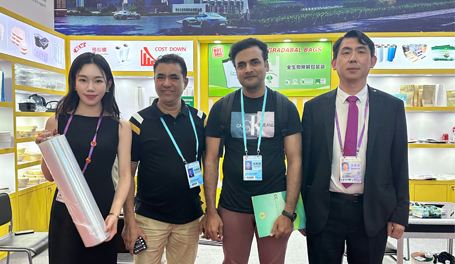
EXIHIBITION
-

2026-04-04 09:13 Discounted Drawstring Bags for Stylish and Practical Everyday UseDiscover the Benefits of Discount Drawstring Bags In today's fast-paced world, practicality and styl -
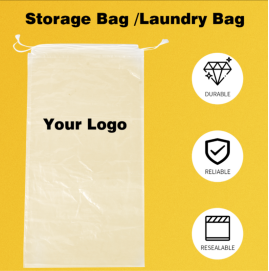
2026-04-04 07:08 Eco-friendly kraft paper bags for all your packaging needs and stylish merchandisebrown paper merchandise bags .




 English